- Democracy in West Africa: Beyond Elections, Toward Accountability
- ECOWAS Integration: Stop the Political Lip Service
- Ghana’s Cedi Crisis: Citizens Deserve Monetary Stability
- Nigeria’s Oil Dependency: Time to Break the Curse
- United States Signals Continued Tight Monetary Policy Amid Inflation Concerns

Democracy in West Africa: Beyond Elections, Toward Accountability
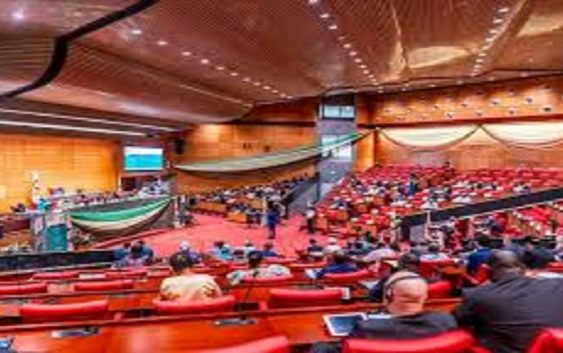
West Africa has become a region of contrasts. On one hand, we see regular elections, peaceful transitions, and leaders who claim democratic legitimacy. On the other, we witness coups, corruption, and institutions too weak to protect citizens. Reports from NAN and APS highlight rising frustration: democracy is being reduced to ballots, while accountability and governance remain neglected. Citizens deserve more than election day rituals — they deserve governments that serve them every day.
Elections Without Substance
Elections are celebrated as milestones, yet they often fail to deliver meaningful change. Leaders campaign on promises of jobs, infrastructure, and security. Once in office, many abandon these commitments, focusing instead on consolidating power. Citizens are left with broken promises and declining trust.
This shallow democracy creates fertile ground for instability. When citizens lose faith in elected leaders, coups and authoritarian alternatives gain appeal. Democracy without accountability is democracy in name only.
The Citizen Experience
For ordinary West Africans, democracy is judged not by speeches but by lived reality:
- Corruption: Public funds are siphoned away, leaving schools underfunded and hospitals broken.
- Unemployment: Youth remain jobless despite promises of economic reform.
- Security: Communities face terrorism, piracy, and crime while governments prioritize politics over protection.
- Justice: Courts are slow, compromised, or inaccessible, leaving citizens without recourse.
When democracy fails to deliver, citizens disengage. Voter turnout drops, protests rise, and apathy spreads.
Why Accountability Matters
Accountability is the missing link in West African democracy. Elections alone cannot guarantee good governance. Citizens need mechanisms to hold leaders responsible between ballots:
- Independent institutions: Courts, parliaments, and anti‑corruption agencies must be free from political interference.
- Transparency: Budgets, contracts, and policies must be open to public scrutiny.
- Civil society: Media, NGOs, and citizen groups must be empowered to monitor and challenge government actions.
- Citizen participation: Democracy must extend beyond voting to include active involvement in decision‑making.
Without accountability, democracy becomes a hollow ritual.
Advocacy: What Must Change
Citizens must demand reforms that strengthen democracy beyond elections:
- Strengthen institutions: ECOWAS and national governments must invest in independent judiciaries and parliaments.
- Fight corruption: Anti‑corruption agencies must be empowered and protected from political manipulation.
- Protect media freedom: Journalists must be free to investigate and expose wrongdoing without fear.
- Empower citizens: Civic education and participatory platforms must be expanded to engage citizens year‑round.
Democracy is not a gift from politicians. It is a right that citizens must defend and demand.
Regional Stakes
West Africa’s democratic failures have regional consequences. Coups in Mali, Burkina Faso, and Niger were fueled by frustration with corrupt, ineffective governments. ECOWAS’s credibility suffers when it defends leaders who fail their citizens. International partners lose confidence in the region’s stability.
If democracy continues to be reduced to elections without accountability, West Africa risks a cycle of instability that undermines development and integration.
Outlook — A Call to Action
West Africa stands at a crossroads. Leaders can continue treating democracy as a performance, or they can embrace accountability as its foundation. Citizens must push for the latter, demanding transparency, justice, and participation.
Democracy must mean more than ballots. It must mean governments that serve citizens every day.
Conclusion
West Africa cannot afford shallow democracy. Elections are important, but they are only the beginning. Accountability, transparency, and citizen participation must define governance. Leaders must deliver, and citizens must demand delivery. Democracy without accountability is a betrayal. The region’s future depends on moving beyond elections toward real, citizen‑centered governance.